
Anejo Tequila cocktails.
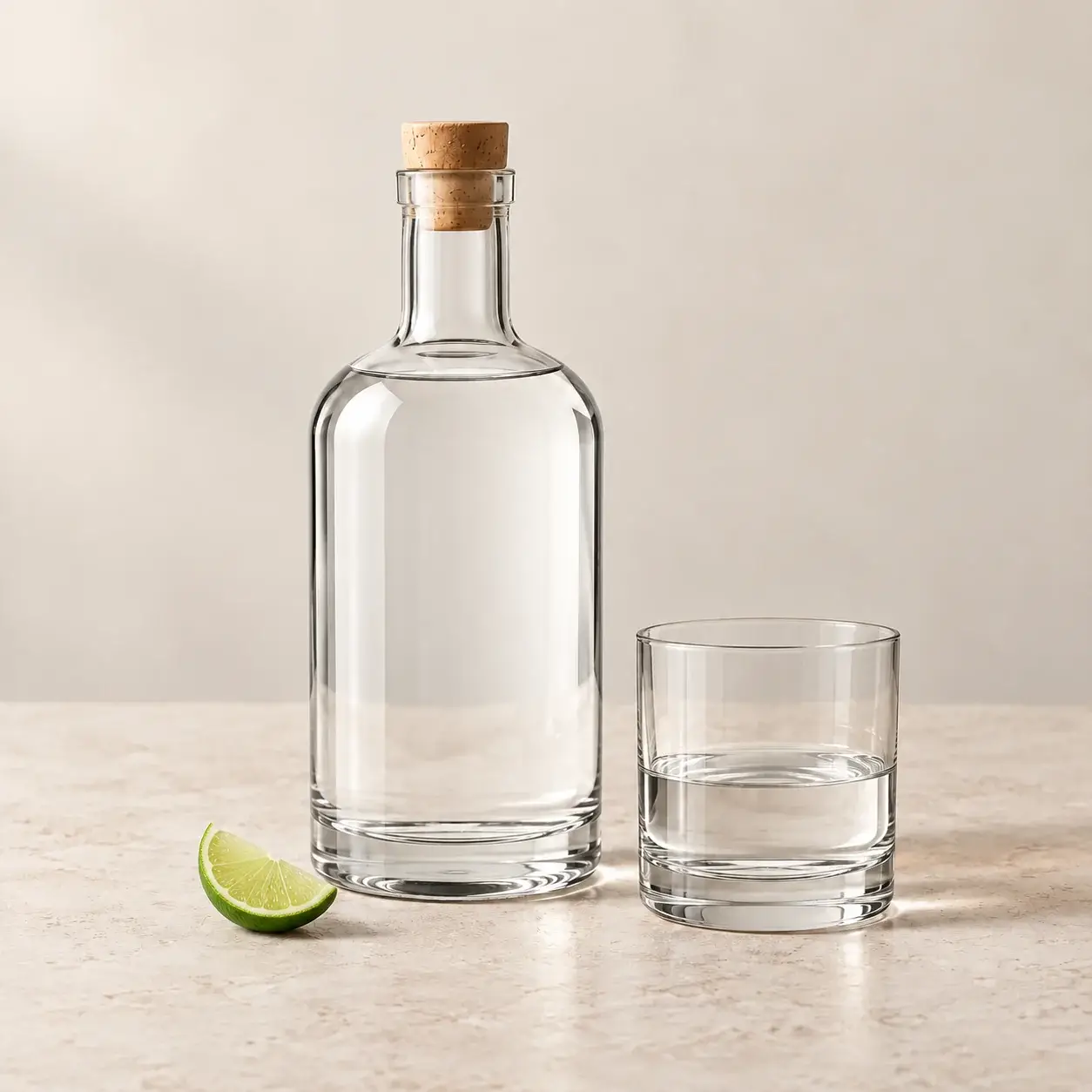
Añejo is tequila aged for at least a year in small oak barrels. It is the class that most resembles a whiskey — amber, oak-led, vanilla and dried fruit over the agave — and it is a sipping spirit first. In cocktails it belongs in the whiskey slots, not the Margarita glass.
What is añejo tequila?
The Mexican standard for tequila defines añejo as tequila aged one to three years in oak barrels of no more than 600 litres. That barrel cap is the difference from reposado: añejo must be aged in small casks, where the spirit touches more wood per litre and takes on character faster.
A fourth class sits above it:
- Extra añejo — aged more than three years in the same small barrels. The category was created in 2006 to recognise a growing number of long-aged tequilas, and it is where the most expensive bottles live.
As with reposado, añejo may legally contain up to 1% of undisclosed additives — caramel, oak extract, glycerine, sugar syrup — and may be made from mixto rather than 100% agave. Three years in oak hides a cheap base very effectively, so the "100% de agave" line on the label matters here as much as anywhere.
How it's made
Begin with a blanco, fill it into small oak — overwhelmingly used American whiskey barrels, sometimes new oak, French oak or wine and cognac casks — and wait. Jalisco is warm, so a year there does more than a year would in Kentucky or Scotland; evaporation runs high and the spirit darkens quickly.
Producers manage the oak carefully because tequila is a comparatively delicate spirit. Left too long in an aggressive new barrel it simply becomes oak with a faint memory of agave, which is why many of the best añejos use well-seasoned casks and blend across barrels to keep the agave in the picture.
What it tastes like
Vanilla, caramel, baked agave, dried fruit, toasted oak, sometimes cinnamon, tobacco or cocoa. The pepper and citrus of a blanco are still there underneath, softened. Colour runs from gold to deep amber.
A good añejo balances the two — barrel in front, agave clearly behind it. If it tastes like a bourbon, the barrel has won; if it tastes mainly of vanilla and butterscotch with no bite at all, suspect additives.
Styles worth knowing
| Style | What changes | In a drink |
|---|---|---|
| Añejo, ex-bourbon | Vanilla, caramel, the standard profile | Old Fashioned and Manhattan builds |
| Añejo, French oak | Drier, spicier, more tannin | Sip; works with sweet vermouth |
| Wine- or cognac-cask finished | Red fruit, raisin, extra richness | Sip, or a stirred drink with amaro |
| Extra añejo (3+ years) | Deep oak, long finish | Neat only; mixing wastes it |
| Cristalino | Añejo filtered clear | Sip; marketed on smoothness |
Which bottle to buy
For mixing, a mid-priced 100% agave añejo at 40% — and be honest about whether you will mix with it at all. Most people buy añejo to sip, and for that the question is simply whether the agave is still present under the oak when you taste it neat.
Do not buy an extra añejo for cocktails. The three-plus years you are paying for disappear completely behind vermouth, syrup or citrus.
Be sceptical of añejos sold mainly on smoothness and sweetness. Those are often the heavily dosed bottles; a well-made añejo has structure as well as softness.
Using it in drinks
Treat añejo as you would bourbon or an aged rum. A tequila Old Fashioned with agave syrup and Angostura is the natural starting point; the Oaxaca Old Fashioned works with añejo as well as reposado. A tequila Manhattan — añejo, sweet vermouth, bitters — is genuinely good.
It pairs with coffee, chocolate, cinnamon and dried fruit, and with amari. It does not pair well with fresh lime in quantity: an añejo Margarita exists but the oak and the citrus argue, and the result rarely justifies the cost.
Substitutes
Reposado in the same drinks, with less oak. Aged rum is the closest cross-category swap in sweetness and weight. Bourbon slots into any Old Fashioned or Manhattan build but loses the agave. Cognac covers the dried-fruit register. For sipping, nothing really substitutes — the agave-plus-oak combination is specific.
Storage
Upright, cool, out of direct light. Añejo does not keep ageing in glass — a bottle sealed for a decade is exactly as old as its bottling. Once opened it is good for years; the last third softens and loses some aroma as the air gets to it. Decant anything expensive into a smaller bottle as the level drops.
Questions
How long is añejo aged? One to three years in oak barrels of no more than 600 litres. Over three years it becomes extra añejo.
Is añejo the best tequila? It is the most aged, which is not the same thing. Añejo is the best choice for sipping if you like oak; blanco is the better choice for almost every cocktail and for tasting the agave itself.
Should I use añejo in a Margarita? Generally no. The oak fights the lime and you pay a premium for notes you then cannot taste. Blanco is the standard; reposado is the rounder variation.
What is cristalino? An añejo (or extra añejo) that has been charcoal-filtered to remove its colour. It keeps the barrel softness and loses some of the barrel flavour.
Nothing here yet.
Recipes are being added continuously. Try the full directory while this one fills out.
Browse all recipes ↗