
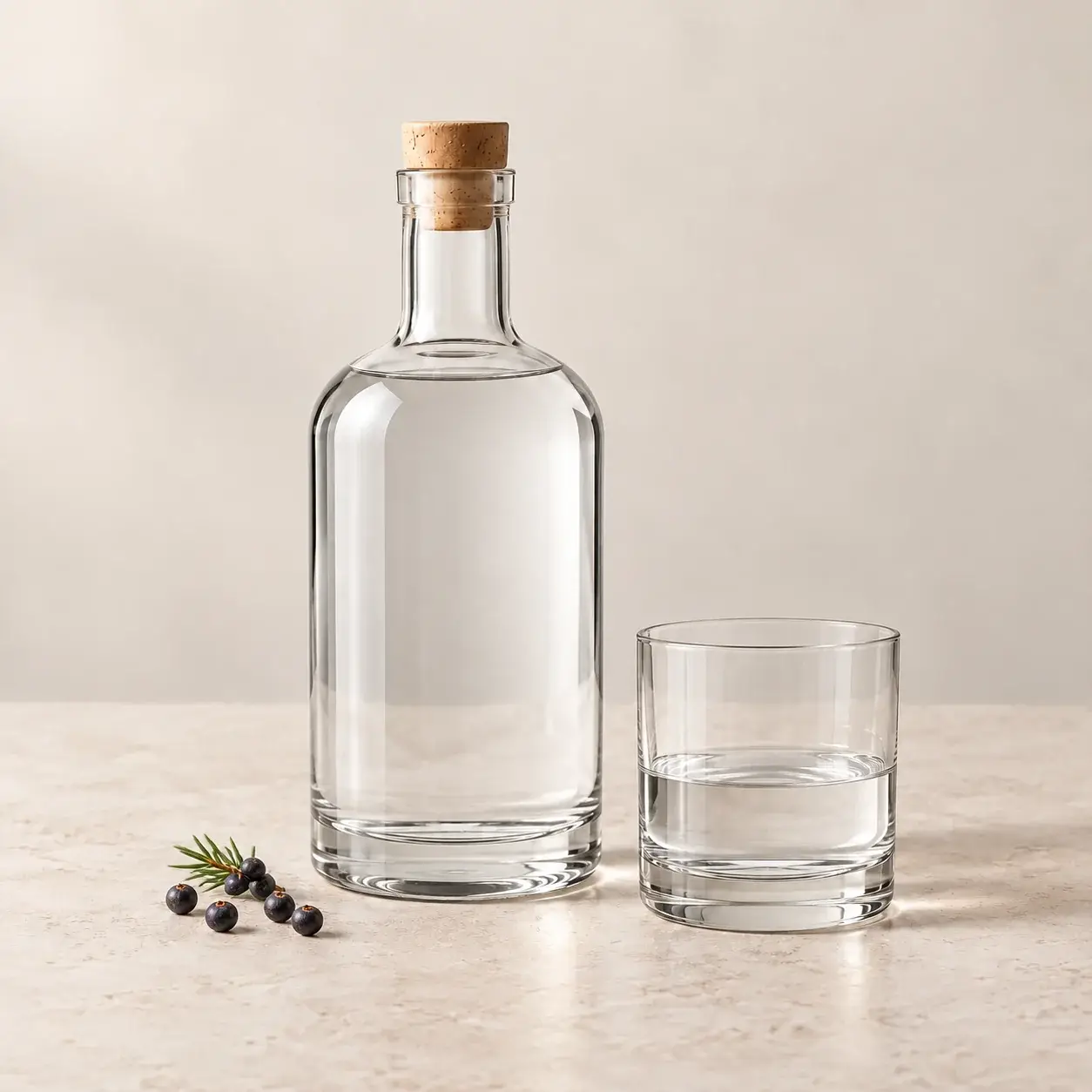
Genever is the Dutch and Belgian ancestor of gin — a malty, juniper-scented spirit that drinks more like a soft whiskey than like anything London makes. It was the "Holland gin" of the first cocktail books, and most 19th-century gin recipes were written for it. For a hundred years it nearly vanished from bars. It is back, and it is worth knowing.
What is genever?
Genever (also jenever) is a protected spirit of the Netherlands, Belgium and a few neighbouring areas, built on malt wine — moutwijn — a pot-distilled spirit of malted barley, rye and corn that is essentially an unaged whiskey. Malt wine is blended with neutral grain spirit and redistilled or flavoured with juniper and other botanicals. How much malt wine ends up in the bottle decides the style:
- Oude (old) genever — at least 15% malt wine, often much more; rich, grainy, sometimes cask-aged. "Old" refers to the style, not the age.
- Jonge (young) genever — no more than 15% malt wine; lighter, drier, closer to a soft vodka with juniper. A 20th-century style born of grain shortages and changing taste.
- Korenwijn — at least 51% malt wine, usually aged; the richest expression.
Juniper must be present, but unlike gin it need not dominate. In a good oude genever it is a background note.
How it's made
A mash of malted barley with rye and corn is fermented and distilled two or three times in copper pot stills to around 47% — the malt wine, which smells of fresh bread and new-make whisky. Some is redistilled with juniper, coriander, aniseed and other botanicals. The producer then blends malt wine, botanical distillate and neutral grain spirit to the house style, adds water, and sometimes rests the blend in oak for months or years. Bottling strength is usually 35 to 42%.
The genever of the 1800s was almost all malt wine; the jonge style arose when the column still made cheap neutral spirit available. Modern revival bottles have gone back to the older, maltier proportions, which is why they work in old recipes.
What it tastes like
Oude genever: malt, bread crust, a little honey and hay, with juniper and a herbal edge behind, and a round, almost oily texture. Aged examples pick up vanilla and spice from the oak. Jonge genever is clean and light, faintly grainy, with a whisper of juniper — much nearer to vodka. Neither tastes like London dry gin, and anyone expecting that is disappointed; anyone expecting a gentle unaged whiskey is delighted.
Styles worth knowing
| Style | Malt wine | In a drink |
|---|---|---|
| Oude genever | 15% or more | Holland House, Improved Holland Gin Cocktail, a genever Collins |
| Oude, cask-aged | Usually high | Old Fashioned template, neat |
| Korenwijn | 51% or more | Neat, cold, with a beer alongside (the kopstootje) |
| Jonge genever | Under 15% | Long drinks, with cola or tonic in the Dutch manner |
Which bottle to buy
Buy an oude genever with a high malt-wine content for cocktails. The revival bottles aimed at bartenders state their proportion and sit around 40 to 42%, which is what the old recipes need. Jonge genever is pleasant but too light to lead a drink. Korenwijn is for sipping.
The traditional stoneware crock is a nice touch and tells you nothing about what is inside; read the label for "oude" and a percentage of malt wine.
Using it in drinks
Genever is the right spirit for almost any pre-1900 "gin" recipe: the Holland House (genever, dry vermouth, maraschino, lemon), the Improved Holland Gin Cocktail (the Improved Whiskey Cocktail template on genever), the original John Collins — a Tom Collins on genever — and the Martini's ancestor, the Martinez. It takes the Old Fashioned treatment beautifully and makes a soft, grainy Negroni.
In the Netherlands it is drunk ice-cold from a tulip glass filled to the brim — you bend to the first sip — with a small beer alongside. That serve, the kopstootje or "little headbutt", is the correct way to taste it before you mix with it.
Substitutes
An Old Tom gin is the nearest thing with juniper in it — sweeter and more botanical, but it keeps the roundness. A split of half London dry gin, half unpeated single malt or a young rye is a clever approximation of oude genever's malt-and-juniper balance. A London dry on its own makes a sharper, more juniper-heavy drink that is not wrong, just different. Vodka approximates jonge genever and nothing else.
Storage
Upright, cool, dark; indefinitely stable once opened. The Dutch keep a bottle in the freezer for neat service, which is fine for jonge and for drinking cold, but let an oude genever come up to cool-room temperature before mixing with it so the malt shows.
Questions
Is genever gin? It is gin's parent, and legally a separate category. It contains juniper but is built on malt wine, so it tastes malty rather than botanical.
What is the difference between oude and jonge? Malt-wine content. Oude has at least 15% and tastes rich and grainy; jonge has less and tastes light and neutral. The words do not refer to age.
Can I use genever in a gin and tonic? Jonge genever with tonic is a normal Dutch drink. Oude genever is better in an Old Fashioned or a Collins than under tonic.
Why do old cocktail books say "Holland gin"? Because genever was the gin that America imported and drank through the 1800s. "Holland gin" or "Hollands" in a recipe means genever, and specifically the malty oude style.
Genever cocktails.
1 recipe