
Reposado Tequila cocktails.
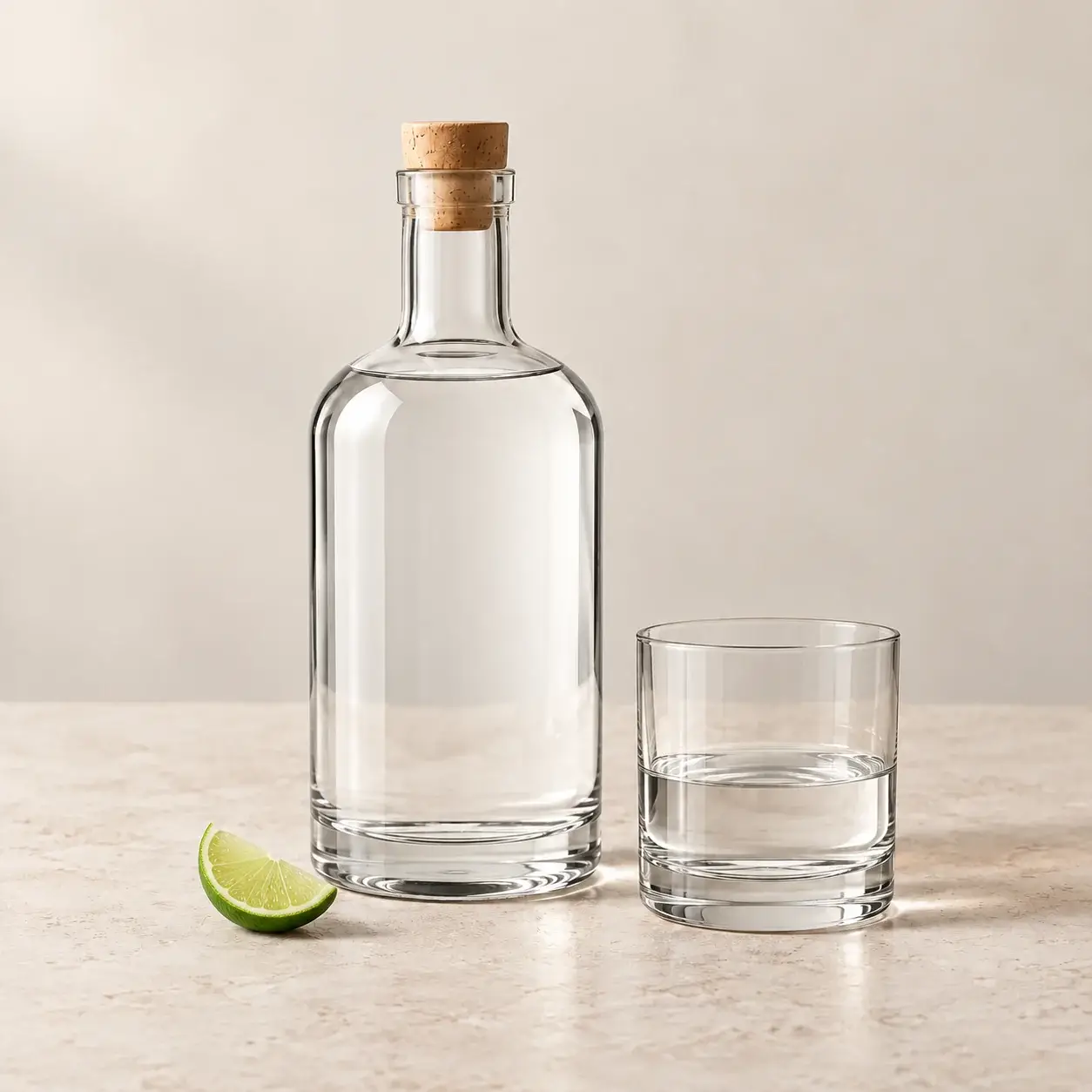
Reposado — "rested" — is tequila that has spent between two months and a year in oak. It is the middle child of the tequila age classes: enough barrel to round off the edges and add a little vanilla, not enough to bury the agave. For stirred drinks it is often the best choice on the shelf.
What is reposado tequila?
The Mexican standard for tequila defines reposado as tequila aged in oak for a minimum of two months and less than one year. Unlike añejo, there is no cap on barrel size, so producers use everything from 200-litre ex-bourbon barrels to enormous oak vats of 20,000 litres or more — and the difference shows.
Two things the label does not tell you but matter:
- Whether it is 100% agave. Reposado can be made from mixto, and a little oak is a very effective disguise for a cheap base. Look for the words.
- What the barrel held before. Most reposado rests in used American whiskey barrels, which lend vanilla and caramel. Some use new oak, French oak, or ex-wine casks, each of which pushes the spirit in a different direction.
Additives — up to 1% by volume of caramel, oak extract, glycerine and sugar syrup — are legal in reposado and añejo without disclosure. A reposado that tastes conspicuously of vanilla and butterscotch may be telling you more about those than about the barrel.
How it's made
Start with a finished blanco. Fill it into oak and wait somewhere between two and twelve months, in Jalisco's warm climate, which pushes the spirit into the wood faster than a Scottish warehouse would.
The producer's two decisions are barrel size and time. A small ex-bourbon barrel at six months gives noticeable vanilla and colour; a huge vat at two months gives the faintest softening and almost no colour at all. Both are legally reposado and they do not taste alike.
After resting, the tequila is usually filtered, diluted to strength and bottled. Some producers blend barrels of different ages to hit a house style.
What it tastes like
Still clearly agave — cooked, peppery, a little citrus — but softened, with light vanilla, a touch of caramel and sometimes a buttery note from the oak. The colour runs from pale straw to light gold.
The best reposados taste like a blanco that has relaxed, not like a young whiskey. If the agave is hard to find under the vanilla, either the barrel was too aggressive or additives are doing the work.
Styles worth knowing
| Style | What changes | In a drink |
|---|---|---|
| Lightly rested (2–4 months, large vats) | Barely any oak; softened blanco | Margaritas that want a rounder edge |
| Standard (6–9 months, ex-bourbon) | Vanilla, light caramel, gold colour | Stirred drinks; the Oaxaca Old Fashioned |
| Long-rested (10–11 months) | Approaching añejo weight | Sipping; a tequila Manhattan |
| French-oak or wine-cask rested | Drier, more tannin, red-fruit notes | Worth trying neat first |
| Reposado mixto | Oak over a cheap base | Skip it |
Which bottle to buy
Buy a 100% agave reposado that still tastes of agave when you sip it neat. That is the only test that matters, and it rules out the heavily dosed bottles whose marketing leans on "smooth" and "vanilla".
For cocktails, a mid-priced ex-bourbon-barrel reposado at 40% is the versatile pick. Keep a blanco alongside it — the two together cover nearly every tequila recipe, with reposado taking the stirred and spirit-forward drinks and blanco taking the citrus.
Using it in drinks
Reposado belongs where bourbon or aged rum would go. The Oaxaca Old Fashioned — reposado and mezcal with agave syrup and bitters — is the modern classic. A reposado Manhattan with sweet vermouth, or a reposado Negroni variant, both work because the oak meets the vermouth halfway.
In a Margarita it makes a rounder, oakier drink that some people prefer, though blanco is the standard. In a Paloma it is usually a step backwards — the grapefruit wants brightness.
It also takes well to coffee, chocolate and spice: a reposado Espresso Martini variant, or a tequila Hot Toddy, both use the barrel notes rather than fighting them.
Substitutes
Blanco in citrus drinks, accepting a sharper result. Añejo in stirred drinks, accepting more oak. Across categories, aged rum is the closest in weight and sweetness; bourbon works in Old Fashioned-style builds but loses the agave entirely; mezcal gives smoke in place of oak.
Storage
Upright, cool, out of direct light — sunlight fades the colour and dulls the aroma faster in a pale spirit like this than in a dark one. Reposado does not continue to age in the bottle. Once opened it keeps for years, losing a little aroma from the last third as it oxidises.
Questions
How long is reposado aged? Between two months and one year in oak, by law. The barrel size is unrestricted, so two reposados at the same age can taste very different.
Is reposado better than blanco? Different, not better. Blanco keeps the agave bright; reposado rounds it with oak. Citrus drinks usually want blanco, stirred drinks often want reposado.
Can reposado have additives? Yes — up to 1% of caramel, oak extract, glycerine and sugar syrup, without disclosure. Tasting it neat is the only way to judge.
Is it good in a Margarita? It makes a rounder, oakier Margarita that is a legitimate variation. Try it; most people settle on blanco.
Nothing here yet.
Recipes are being added continuously. Try the full directory while this one fills out.
Browse all recipes ↗