
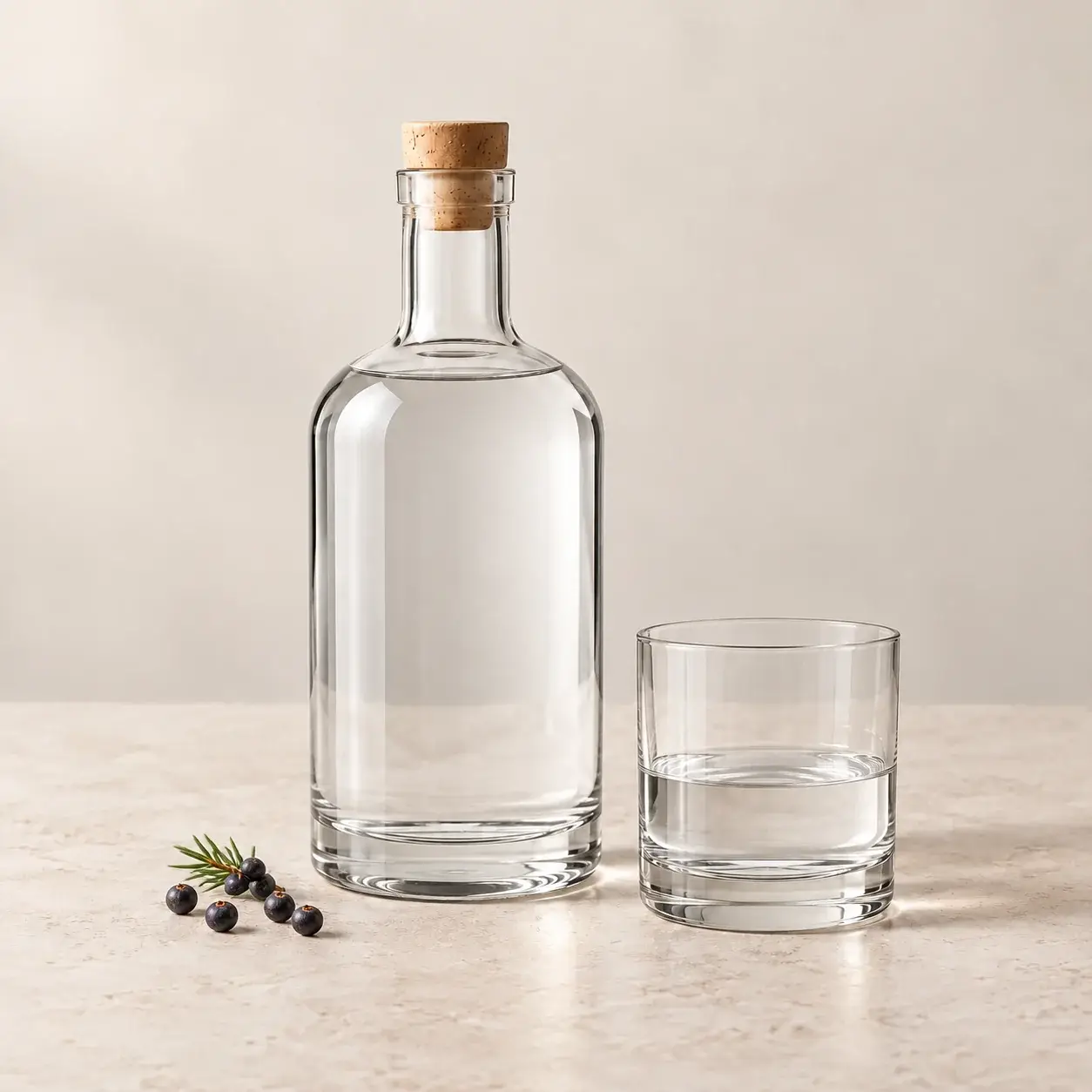
Sloe gin is gin steeped with sloes — the small, astringent fruit of the blackthorn hedge — and sweetened, and it is one of the oldest home-made drinks in Britain. In a bottle it ranges from a syrupy red liqueur to a drier, sharper spirit with real fruit and real juniper in it, and the drinks on this page assume the second kind.
What is sloe gin?
A liqueur, strictly: gin, sloes and sugar, macerated for months and bottled at around 25 to 30% ABV. In the European Union it is one of the few liqueurs permitted to carry the word "gin" in its name despite being below gin strength. The United States treats it as a flavoured gin or liqueur, and some American bottles of the mid-20th century were little more than red-coloured sugar and spirit, which is why the Sloe Gin Fizz has a reputation it does not deserve.
The sloe is the fruit of Prunus spinosa, a wild plum the size of a blueberry and far too tannic to eat. Picked after the first frost, pricked and left in gin with sugar, it gives up colour, almond-stone aroma and a sharp plummy acidity that the sugar balances.
How it's made
The traditional method is the one anyone with a hedge can follow: fill a jar half with sloes, add sugar, top with gin, turn it every day for a week and then leave it in a cupboard for three months or more before straining. Commercial producers do the same at scale — whole fruit steeped in gin, usually a London dry, with sugar added during or after maceration, then filtered and bottled. The better houses use less sugar and more fruit, and some age the finished liqueur for a year or two to let the almond note from the stones develop.
Blackthorn is scarce enough that some brands use sloes from eastern Europe, and a few use other wild plums or flavourings. The label will usually be quiet about it.
What it tastes like
Ripe damson and plum, marzipan and cherry stone, a little juniper behind, and a tannic grip that keeps the sweetness in check. The colour runs from ruby to deep garnet. A dry, well-made sloe gin tastes like fruit; a cheap one tastes like cough syrup, and the gap between them is wider than in almost any other liqueur.
Styles worth knowing
| Style | What changes | In a drink |
|---|---|---|
| Traditional British (26–29%) | Real sloes, moderate sugar, juniper present | Sloe Gin Fizz, Charlie Chaplin, sloe Negroni |
| Dry / "craft" sloe gin | Less sugar, more fruit, sometimes higher proof | Stirred drinks; a Sloe Gin Martini |
| Home-made | Whatever you put in it; usually best after a year | Neat in winter; any recipe here |
| Sweet / commercial (15–20%) | Syrupy, colour-adjusted | Long drinks with soda; little else |
| Damson or bullace gin | Made the same way with other wild plums | Swaps for sloe gin in every recipe |
Which bottle to buy
Buy a British sloe gin at 26% or above from a producer that steeps whole fruit. That rules out the syrups and includes most of the gin distilleries that make one. If you like it, make your own in autumn: the home version is usually drier and better than anything you can buy, and it costs the price of a bottle of gin and a bag of sugar.
Avoid anything below 20% or with "flavoured" on the label.
Using it in drinks
The Sloe Gin Fizz — sloe gin, lemon, sugar, soda, sometimes with a measure of dry gin for backbone — is the classic, and it is a very different drink with a good bottle than with a bad one. The Charlie Chaplin shakes it with apricot brandy and lime, and is one of the great forgotten sours. A sloe Negroni swaps the gin for sloe gin and drops the vermouth's share; a Sloe Gin Martini is simply a wet Martini with sloe gin for half the gin.
Because it carries both sugar and acidity, use it as you would a fruit liqueur: it can replace the sugar in a sour, and a half-ounce lifts a Tom Collins or a French 75 into something autumnal. In Britain it is also drunk neat from a hip flask in cold weather, which is the use it was invented for.
Substitutes
Damson gin is interchangeable. Crème de cassis or a cherry liqueur plus a measure of dry gin gets close in a fizz. Plum brandy gives the fruit without the sugar; add a little syrup. Port and gin together make a rougher but workable Sloe Gin Fizz. Grenadine does not — it has the colour and none of the flavour.
Storage
Cool and dark; it keeps for years, and home-made sloe gin improves for the first two. Light fades the colour, so keep it out of the sun. No need to refrigerate, though a cold bottle in winter is a pleasure.
Questions
Is sloe gin actually gin? It starts as gin, but with the sugar and the lower strength it is a liqueur. The name is a legal exception.
What is a sloe? The fruit of the blackthorn, a wild plum related to the damson. It is far too sour and tannic to eat raw.
Why does my Sloe Gin Fizz taste like medicine? The sloe gin. Switch to a drier, higher-strength bottle, add a half-ounce of dry gin, and use fresh lemon.
How long does home-made sloe gin take? Three months minimum to strain; a year to be good; two to be excellent. Pick the sloes after the first frost, or freeze them overnight to split the skins.
Sloe Gin cocktails.
1 recipe