
Old Tom Gin cocktails.
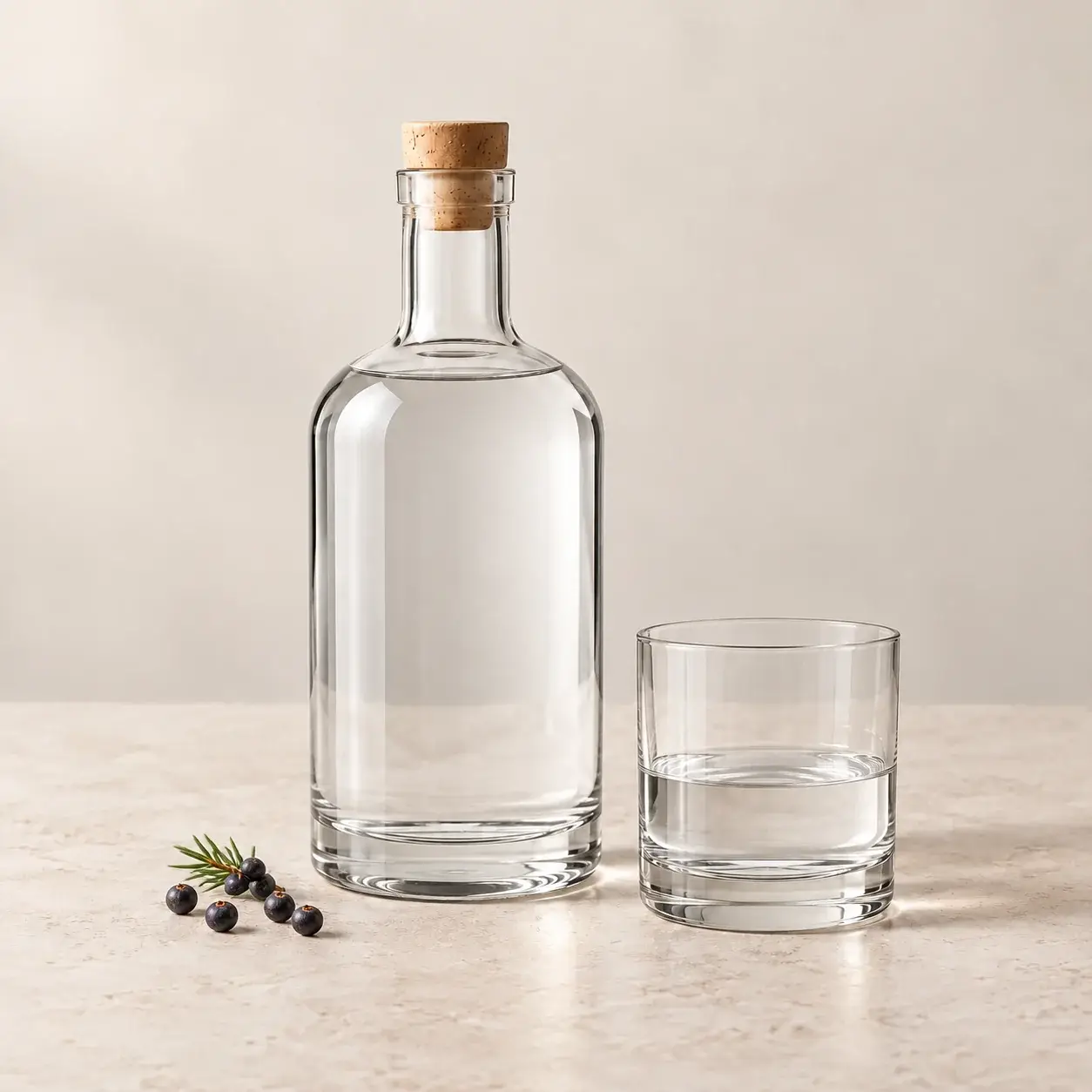
Old Tom is the gin of the nineteenth century: lightly sweetened, softer and rounder than London dry, halfway between the malty genever it descended from and the bone-dry style that replaced it. It vanished almost completely in the twentieth century and came back in 2007 because bartenders wanted to make the old recipes properly. If a cocktail book from before 1900 says "gin", it very likely means this.
What is Old Tom gin?
A style of gin, not a brand, defined by a little sweetness — from sugar, sometimes liquorice root, occasionally a touch of cask — and a softer botanical profile than London dry. There is no legal definition; "Old Tom" on a label is a claim about style. In the 1700s and 1800s the sugar hid the harshness of crudely made spirit, and the style was what London drank in the gin-palace era.
The name's origin is a tale: in 1738 Captain Dudley Bradstreet is said to have set up a wooden cat — an old tom — in a window in London, with a lead pipe under its paw; a customer put a coin in the slot and received a measure of gin from the pipe, dodging the Gin Act. Whether that cat gave the gin its name is unproven, but the cat has been on the labels ever since.
How it's made
As London dry is — neutral spirit redistilled with juniper and botanicals — with sweetening added after distillation, which London dry rules forbid. Modern Old Toms take different routes to the softness: some add sugar at around 2 to 4 grams per litre; some use liquorice root among the botanicals for a natural sweetness; a few, following an older recipe, rest the gin in oak for a few months and bottle it pale gold. The nineteenth-century originals were probably a mix of all three, and distillers today argue cheerfully about which is authentic.
What it tastes like
Juniper and citrus as in London dry, but rounder, softer and faintly sweet, with less of the sharp dryness and sometimes a malty or liquorice note. Barrel-rested versions add vanilla and a little spice. It sits between genever and London dry in every respect: more botanical than the first, less austere than the second.
Styles worth knowing
| Style | What changes | In a drink |
|---|---|---|
| Sugar-sweetened Old Tom | Clear, London dry character plus softness | Tom Collins, Gin Fizz, Martinez |
| Liquorice-sweetened Old Tom | Drier, botanical sweetness | Tuxedo, Turf Club, Improved Gin Cocktail |
| Barrel-rested Old Tom | Pale gold, vanilla and spice | Martinez, stirred drinks, a gin Old Fashioned |
| Genever-leaning Old Tom | Some malt spirit in the base | The oldest recipes; John Collins |
Which bottle to buy
A clear, lightly sweetened Old Tom from an English distillery. It covers the Collins, the fizzes and the Martinez and tastes recognisably of gin. The barrel-rested American style is wonderful in stirred drinks but is a second bottle, not a first. Avoid anything heavily sweetened; a good Old Tom reads as soft, not sugary.
Using it in drinks
The Tom Collins is named for it — the drink was a John Collins on genever, became a Tom Collins on Old Tom, and only later migrated to London dry. The Martinez, ancestor of the Martini, is Old Tom with sweet vermouth and maraschino. The Tuxedo and the Turf Club — gin, dry vermouth, maraschino, absinthe — are better and more balanced on Old Tom than on London dry, and the Gin Fizz and Ramos Gin Fizz were written for it. In any pre-1900 recipe that calls for gin and sugar, Old Tom lets you use less sugar.
In modern drinks it softens a Negroni and makes a gentler Gimlet. It is not the right gin for a dry Martini.
Substitutes
London dry gin plus a bar-spoon of simple syrup per two ounces is the honest substitute and the one most bars used before the revival. Genever gives the roundness with more malt. Plymouth gin, slightly softer and earthier than London dry, is close enough for a Collins without sweetening.
Storage
Upright, cool, dark; indefinitely stable. The small sugar content does not affect keeping. Barrel-rested bottles slowly lose their top-note spice over years, as any pale aged spirit does.
Questions
Is Old Tom sweet? Lightly. It is noticeably softer than London dry, but a good one is not sugary — think a touch of roundness rather than a liqueur.
Is the Tom Collins named after it? Yes. The drink was a John Collins on genever; on Old Tom gin it became the Tom Collins, and the name stuck when the gin changed.
Why did it disappear? Better distillation made the sugar unnecessary, London dry became the fashion from the 1880s, and the Martini wanted a dry gin. By the 1960s no one made it.
Can I use it in a Martini? A Martinez, yes — that is its drink. A dry Martini, no; the sweetness fights the vermouth.
Nothing here yet.
Recipes are being added continuously. Try the full directory while this one fills out.
Browse all recipes ↗